
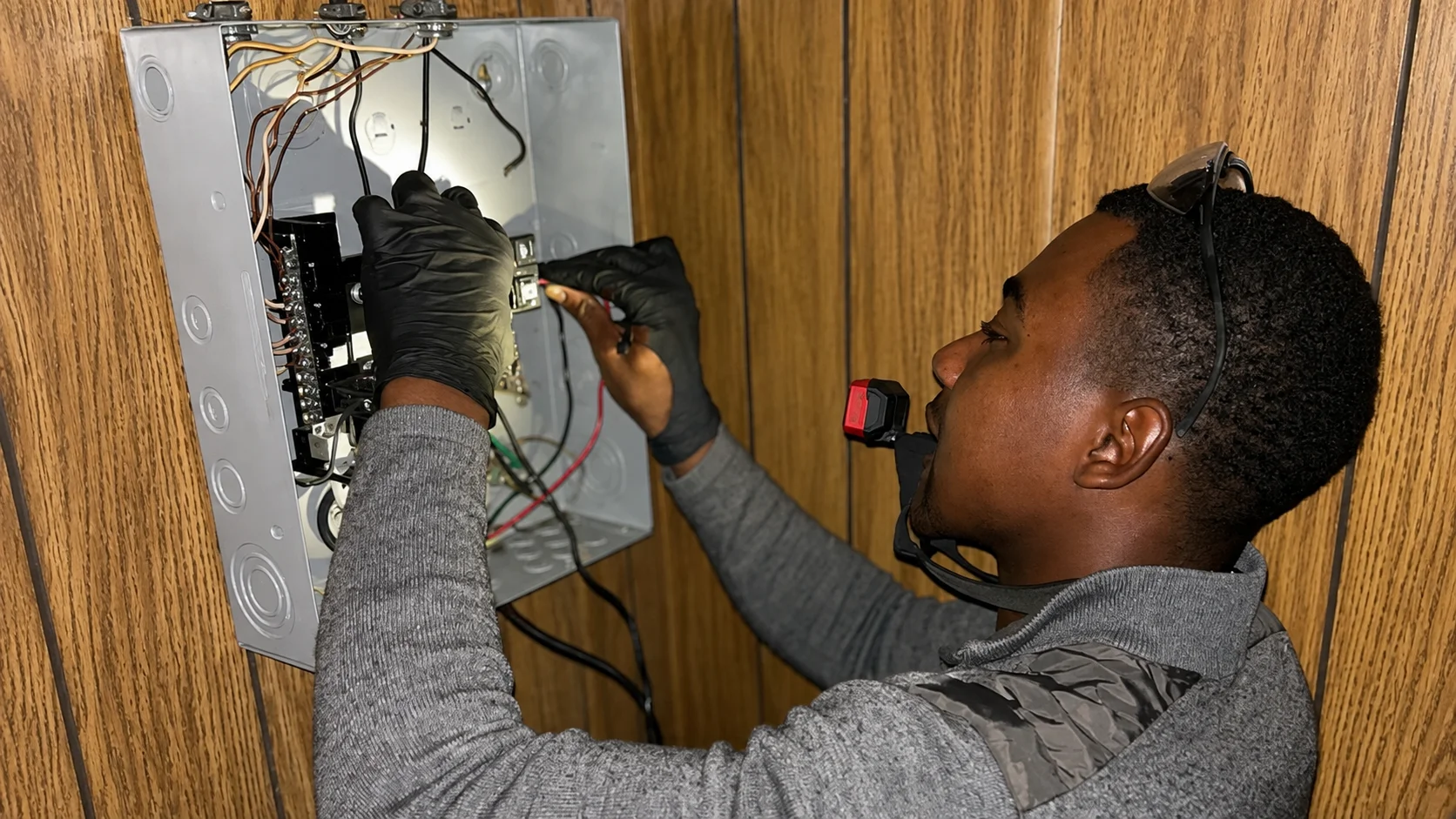
An electrical problem rarely announces how serious it is.
A breaker trips while dinner is cooking. An outlet begins to smell like hot plastic. The lights dim when the air conditioner starts. You hear a faint crackling sound near the electrical panel and wonder whether it has always been there.
Some problems can wait for a scheduled appointment. Others need immediate attention.
Burning odors, visible sparks, hot electrical components, repeated breaker trips, electric shocks, and unusual sounds from a panel or outlet can point to an active electrical hazard. Stop using the affected equipment and contact a licensed electrician. Leave the home and call 911 when there is smoke, flame, or an immediate risk to anyone inside.
Here is how to recognize an electrical emergency, who to call, and what you can safely do while help is on the way – whether you’re in Citrus Heights, Fair Oaks, Carmichael, or Orangevale.
What Counts as an Electrical Emergency?
An electrical emergency is a condition that creates an immediate risk of fire, electric shock, equipment damage, or a sudden loss of essential power.
The problem does not need to involve visible flames to be urgent. Electrical faults often develop behind an outlet, inside a panel, or within a wall where the damage cannot be seen.
Warning signs that deserve prompt attention include:
- Smoke or the smell of burning insulation
- Repeated or unusually large sparks
- A hot or discolored outlet
- Buzzing, sizzling, or crackling sounds
- A breaker that trips repeatedly
- A shock or tingling sensation
- Water reaching electrical equipment
- Partial power loss accompanied by flickering or unusual sounds
The National Fire Protection Association lists frequent breaker trips, warm or discolored outlets, and burning or rubbery odors among the warning signs of an electrical problem.
Should You Call 911, the Utility Company, or an Electrician?
The right number depends on where the danger is coming from.
Call 911 when:
- There is an active fire.
- Smoke is spreading through the home.
- Electrical equipment is visibly burning.
- Someone has suffered a serious electrical shock.
- You cannot leave the property safely.
Get everyone outside and stay out. Do not attempt to extinguish an energized electrical fire with water.
Call the utility company when:
- A power line is down.
- The service line leading to the home is damaged.
- A utility transformer is sparking.
- Several neighboring properties have lost power.
- A tree or vehicle has damaged overhead electrical equipment.
Stay well away from fallen power lines. A line can remain energized even when it appears inactive.
Call an electrician when:
- The problem appears to originate inside the home.
- An outlet, switch, breaker, or appliance circuit is affected.
- Part of the house has lost power.
- A breaker trips again after being reset.
- You notice heat, sparking, buzzing, or a burning odor.
- A plumbing leak has reached an electrical component.
When the source is unclear, describe exactly what you are seeing, hearing, or smelling. That information can help determine how urgently the situation needs to be addressed.
Eight Signs You May Need an Emergency Electrician
1. You Smell Burning Plastic or Hot Insulation
A sharp electrical smell may resemble melting plastic, overheated rubber, or hot metal. The odor can come from an outlet, an appliance connection, the electrical panel, or wiring hidden inside a wall.
Possible causes include:
- A loose electrical connection
- An overheated receptacle
- Damaged wire insulation
- An overloaded circuit
- A failing breaker
- Heat damage inside the panel
Stop using the affected circuit or device. Do not keep plugging appliances into the outlet to see whether the smell returns.
When the odor is accompanied by smoke, visible heat damage, or active burning, leave the property and call 911.
2. An Outlet, Switch, or Panel Is Sparking
A tiny, momentary spark can occasionally appear when a plug makes contact with an energized outlet. Large, repeated, or noisy sparks are a different matter.
Treat the situation as urgent when:
- Sparks continue after the plug is inserted.
- The outlet sparks when nothing is being connected.
- You see black marks around the receptacle.
- The spark is accompanied by a popping sound.
- Sparks are coming from the electrical panel.
- The outlet cover appears melted or damaged.
Do not keep testing the outlet. Stop using it and keep people away from the area.
3. An Outlet or Switch Feels Unusually Hot
An outlet can feel slightly warm when supplying certain devices, although noticeable heat deserves attention. A wall plate should never become painfully hot, discolored, soft, or melted.
Excessive heat may come from a loose connection, an overloaded circuit, internal receptacle damage, or a failing device.
The Electrical Safety Foundation International identifies warm wall plates, discoloration, buzzing, repeated breaker trips, and burning odors as warning signs of an overloaded electrical system.
Stop using the outlet or switch until it has been inspected.
4. The Electrical Panel Is Buzzing or Crackling
A faint mechanical hum from some electrical equipment can be normal. Persistent buzzing, sizzling, crackling, or popping from the panel is not something to ignore.
The sound may be connected to:
- A loose electrical connection
- A breaker that is failing
- Electrical arcing
- Overheating
- Damage to internal panel components
Do not remove the panel cover. The components behind it can remain energized even when individual breakers are switched off.
Keep the area clear and contact a licensed electrician.
5. The Same Breaker Keeps Tripping
A circuit breaker is designed to interrupt power when it detects an unsafe electrical condition. Resetting it without understanding why it tripped does not correct the underlying problem.
A breaker may trip because of:
- Too many devices using the circuit
- A damaged appliance
- A short circuit
- A ground fault
- Damaged wiring
- A loose connection
- A failing breaker
One trip after several high-demand appliances were used together may point to an overload. A breaker that trips immediately, repeatedly, or with very little connected to the circuit needs professional diagnosis.
Do not continue forcing the breaker back into the ON position. Repeated resetting can energize the same fault again.
6. Part of the House Suddenly Loses Power
Partial power loss can have several causes. A breaker may have tripped. A GFCI outlet may have interrupted power to other outlets farther along the circuit. A loose connection or damaged circuit may also be responsible.
The situation becomes more concerning when:
- Several unrelated rooms are affected.
- Lights become unusually bright or dim.
- Appliances appear to run weakly.
- Power cuts in and out.
- You hear buzzing from the panel.
- There is a burning smell.
- The outage began after a pop or flash.
Check whether nearby homes have also lost power. Contact the utility provider when the outage affects the neighborhood or appears to involve the service line.
Call an electrician when the problem is limited to the home or accompanied by other electrical warning signs.
7. You Feel a Shock or Tingling Sensation
A shock from an appliance, switch, outlet, or metal fixture should never be treated as normal.
Even a mild tingling sensation can indicate that electrical current is reaching a surface it should not reach. Possible causes include damaged wiring, equipment failure, grounding problems, or current leaking onto a conductive surface.
Stop touching the affected device. Unplug it only when doing so is clearly safe. Keep people away from the area and arrange for an inspection.
A stronger shock, injury, loss of consciousness, or chest pain requires emergency medical assistance.
8. Water Has Reached an Outlet, Panel, or Electrical Device
Water and energized electrical equipment create a serious shock hazard.
Common situations include:
- A plumbing leak above the electrical panel
- A flooded garage or basement
- Water entering an exterior outlet
- A roof leak near wiring
- A leaking appliance near a receptacle
- Water collecting around an extension cord
Do not step into standing water to reach a breaker or unplug a device. Leave the affected area and call for help.
If the main shutoff can be reached without approaching water or damaged equipment, follow the instructions provided by the electrician or emergency responder. Do not take the risk when the path is uncertain.
What to Do While Waiting for an Electrician
The safest action is often to stop interacting with the problem.
While waiting for assistance:
- Stop using the affected outlet, appliance, or circuit.
- Keep children and pets away from the area.
- Turn off the affected breaker only when it can be reached safely.
- Avoid repeatedly resetting a breaker.
- Never pour water onto electrical equipment.
- Leave outlet covers and panel covers in place.
- Move outside and call 911 when there is active smoke or fire.
- Note what happened immediately before the problem started.
Useful details include which appliances were running, which rooms lost power, how quickly the breaker tripped, and whether you noticed heat or unusual sounds.
This information can shorten the diagnostic process.
Does a Tripped Breaker Always Mean an Emergency?
A single breaker trip does not automatically mean the home is in immediate danger.
For example, running several high-demand appliances on one circuit may cause an overload. Turning off those appliances and resetting the breaker once may restore power.
Stop resetting the breaker when it trips again.
Repeated tripping indicates that the circuit is still detecting a problem. The cause could be an overloaded circuit, a faulty appliance, damaged wiring, or a breaker that is no longer operating correctly.
Arrange professional troubleshooting when:
- The breaker trips immediately.
- It trips with everything unplugged.
- It feels hot.
- You notice a burning smell.
- The panel is buzzing.
- The trip affects several areas.
- The breaker will not remain reset.
What an Electrician Checks During an Urgent Diagnosis
The breaker that trips is only one part of the circuit. Replacing it without finding the reason for the trip can leave the real problem unresolved.
During a diagnosis, an electrician may:
- Confirm which outlets and devices are connected to the circuit
- Check the breaker and panel for visible heat damage
- Test voltage and circuit conditions
- Separate appliance problems from wiring problems
- Inspect accessible outlets and switches
- Trace the affected circuit
- Test for a short circuit or ground fault
- Identify loose or damaged connections
The final repair depends on what the testing reveals.
A repeatedly tripping breaker may need replacement. In other cases, the breaker is doing exactly what it was designed to do and the fault is somewhere else on the circuit.
Stones Electric uses a diagnosis-first approach so the cause can be identified before a repair is recommended.
How Much Does Emergency Electrical Service Cost?
There is no single price for every urgent electrical problem.
The final cost can depend on:
- The type of fault
- The time of the call
- The location of the damaged component
- The amount of diagnostic work required
- The parts needed
- The condition of the electrical panel
- Whether temporary safety work is required
Ask how the diagnostic visit is priced and whether after-hours charges apply before scheduling.
Stones Electric provides written repair recommendations after the problem has been assessed. Call to confirm current availability and pricing for an urgent appointment.
How to Choose an Emergency Electrician in Citrus Heights
Urgency can make it tempting to call the first number that appears in search results. Take a moment to verify who will be working on the home.
Look for:
- An active California contractor license
- Experience with residential electrical troubleshooting
- Clear diagnostic pricing
- A local service area
- Written repair recommendations
- Real examples of completed work
- Reviews from homeowners
Stones Electric provides residential electrical troubleshooting in Citrus Heights, Fair Oaks, Carmichael, Orangevale, and Roseville.
California Contractor License: #1157494
Frequently Asked Questions
Is a burning smell from an outlet an emergency?
Yes, if the smell is strong or comes with heat, discoloration, or buzzing. Stop using the outlet and turn off the breaker if you can reach it safely. Leave the house and call 911 if you see smoke or flames.
Should I reset a breaker that keeps tripping?
You can reset it once after removing the load that tripped it. If it trips again, stop. The circuit is still detecting a problem, and repeated resets won’t fix it.
Who should I call when only half of my house has power?
Check whether your neighbors still have power. If the outage covers the block, call the utility company. If it’s just your house, call an electrician.
Is a buzzing electrical panel dangerous?
Persistent buzzing, sizzling, or popping from a panel means a loose connection, a failing breaker, or arcing inside the panel. Get it inspected before it gets worse.
Can one GFCI outlet cause several outlets to stop working?
Yes. A GFCI outlet can protect other outlets on the same circuit. When it trips, everything downstream loses power, even though only the GFCI has a reset button.
Are flickering lights an electrical emergency?
A quick flicker when a large appliance starts is normal. Flickering across the whole house, along with buzzing, heat, or a burning smell, needs attention right away.
Does Stones Electric provide emergency electrical service?
Call Stones Electric to describe the problem and check current availability. If there’s active fire, heavy smoke, or immediate danger, leave the house and call 911 first.